
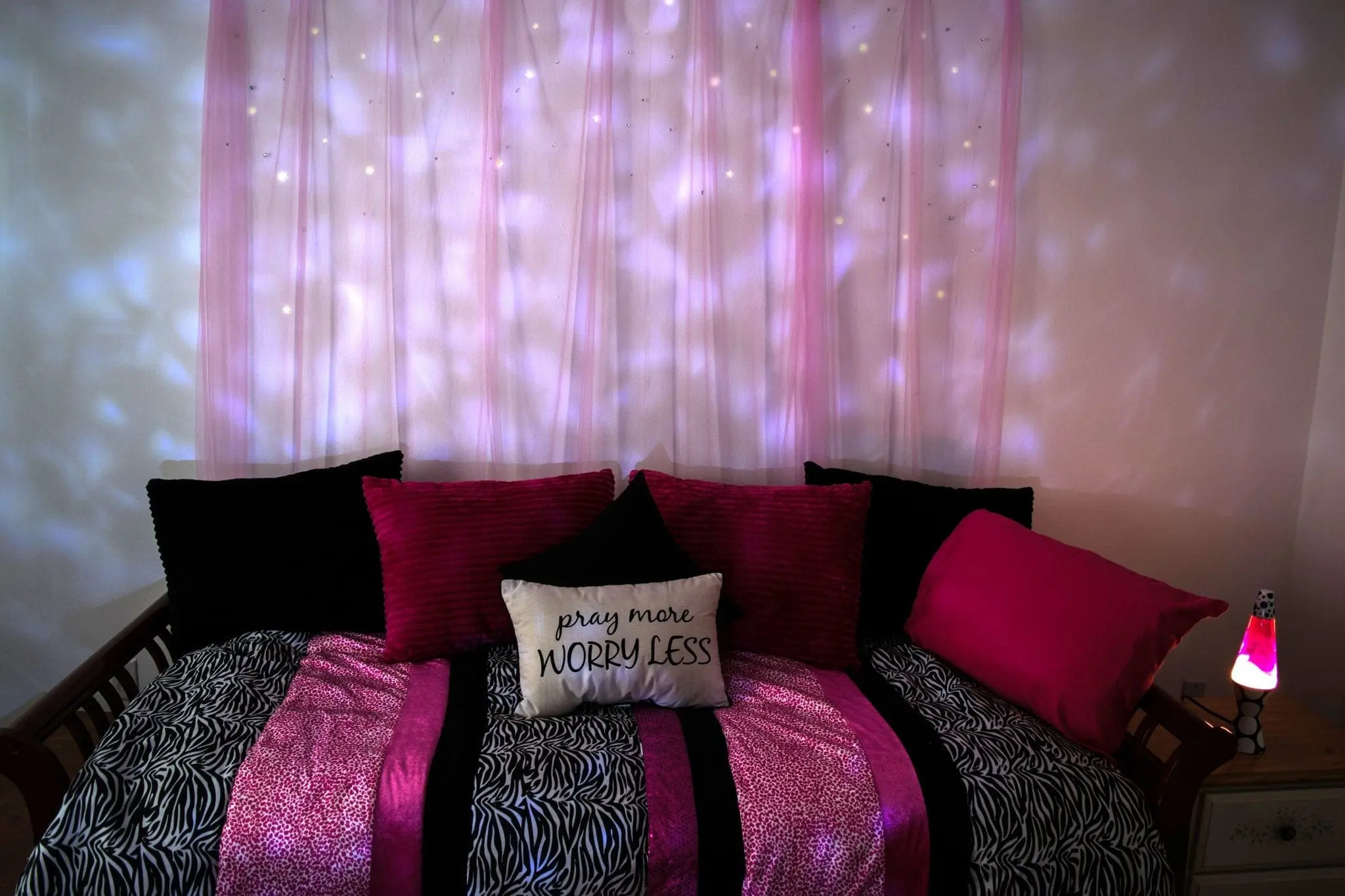
Let’s be honest. For many, a bedroom is just a place to sleep. But if you’re sensory-sensitive—whether due to neurodivergence like autism or ADHD, chronic conditions like fibromyalgia, or simply a highly reactive nervous system—your bedroom is something more. It’s a critical retreat. A place where the world’s volume gets turned down. Designing this space isn’t about following trends; it’s a deliberate act of self-care. It’s about building a sanctuary that doesn’t just look good, but feels good. Really good. Let’s dive into how to create that.
The Core Philosophy: Less Noise, More Calm
Think of your senses as a set of dials. The goal here isn’t to rip them out, but to gently adjust them to a comfortable level. A sensory-friendly bedroom minimizes assault on the senses while maximizing control and comfort. It’s about predictability and softness. You know, a buffer against the chaotic outside world.
1. The Sight Sense: Mastering Light and Visual Flow
Harsh, flickering, or overly bright light is a common trigger. The key is layered, controllable lighting. Overhead lights, especially cold LEDs, can feel like an interrogation. So, ditch the single bright switch.
- Blackout is your best friend. Invest in high-quality blackout curtains or shades. They’re non-negotiable for sleep and for creating a cave-like calm when needed.
- Embrace indirect light. Use floor lamps that bounce light off the ceiling, salt lamps with their warm glow, or LED strip lights behind headboards or under beds for a soft, diffused effect.
- Dimmers are magic. Install dimmer switches on any fixed lighting. This gives you total command over intensity.
- Mind the visual clutter. A busy room can feel like visual static. Opt for closed storage (think dressers with drawers, baskets with lids) to tuck things away. Choose a simple, cohesive color palette.
2. The Touch Sense: A Tactile Paradise
This is where texture reigns supreme. Every surface you contact should be a conscious choice. Scratchy tags, stiff fabrics, or a lumpy mattress can dominate your entire focus—and not in a good way.
Start with the biggest touchpoint: your bed. Hypoallergenic bedding is a great starting point, but feel is everything. Look for high-thread-count cotton, linen, or bamboo—materials that are breathable and soft without being slippery or synthetic-feeling. Have a “test feel” in-store if you can.
Then, consider the landscape of your room:
- Rugs: A plush, low-pile rug feels wonderful underfoot. Avoid jute or rough sisal.
- Furniture: Sanded, smooth wood or soft-painted finishes. Sand down any rough edges, literally.
- Weighted blankets: For many, the deep pressure input is profoundly calming. It’s like a full-body, gentle hug. Start with a lighter weight (around 10% of body weight) to see if it works for you.
3. The Sound Sense: Designing for Auditory Peace
Unwanted noise isn’t just annoying; it can be physically jarring. Soundproofing a bedroom doesn’t require major renovation. It’s about absorption and masking.
| Solution | How It Helps | Simple Implementation |
| White Noise / Sound Machines | Masks irregular, disruptive sounds (traffic, voices) with a consistent, predictable auditory blanket. | Place one on a nightstand. Many offer nature sounds like rain or fan noise. |
| Acoustic Panels & Soft Furnishings | Absorbs echo and dampens sound within the room itself. | Hang fabric art, use thick curtains, add a large upholstered headboard, and lay down that plush rug. |
| Door Seals & Window Inserts | Blocks sound from entering or leaving the room. | Affordable adhesive foam seals around the door frame. For windows, consider acrylic inserts. |
Putting It All Together: A Room-by-Room Sensory Strategy
Okay, so we’ve broken it down by sense. But how does it feel as a whole? Well, imagine walking in. The light is soft and golden from a dimmable lamp in the corner. The air is still, thanks to an air purifier providing a gentle hum. You step onto a cloud-soft rug. Your bed, made with organic cotton sheets, invites you with its predictable, comforting weight of a blanket. There’s no visual “noise”—just a few cherished items on a shelf. That’s the vibe.
Color and Space: The Mood Setters
Color psychology is real, but it’s personal. While muted, earthy tones (soft greens, warm taupes, pale blues) are often recommended for calm, some sensory seekers might crave a single, joyful accent wall. The rule of thumb? Avoid high-contrast patterns and overly bright, saturated colors on large surfaces. They can visually vibrate. And space—well, clutter is chaos. Leave open floor space. It feels less restrictive, more breathable.
The Forgotten Senses: Smell and “Climate”
Strong artificial scents from plugins or candles can be overwhelming. If you enjoy scent, opt for subtle, natural options like a small sachet of dried lavender in a drawer or an essential oil diffuser with a single, mild note you can control. And look, temperature and air flow matter immensely. A quiet fan, breathable bedding, and easy-access layers allow for micro-adjustments throughout the night. It’s all about that personal control.
It’s Not About Perfection, It’s About Preference
Here’s the deal: this isn’t a prescription. It’s a framework. You might need pitch black to sleep but enjoy a vibrant tapestry on the wall. You might love the feel of cool silk but hate the sound it makes. That’s okay. The process is iterative. Start with one thing—maybe the lighting or the bedding. See how it feels. Tweak it.
The ultimate goal of autism-friendly bedroom design or sensory-safe spaces in general is to create an environment that respects your neurology and physiology. It’s a room that doesn’t ask anything of you. It simply provides a foundation of calm, from which you can actually rest, recharge, and be yourself. In a world that’s often too loud, too bright, and too much, your bedroom can be the gentle whisper that brings you back to center. And honestly, isn’t that what a home should be?

