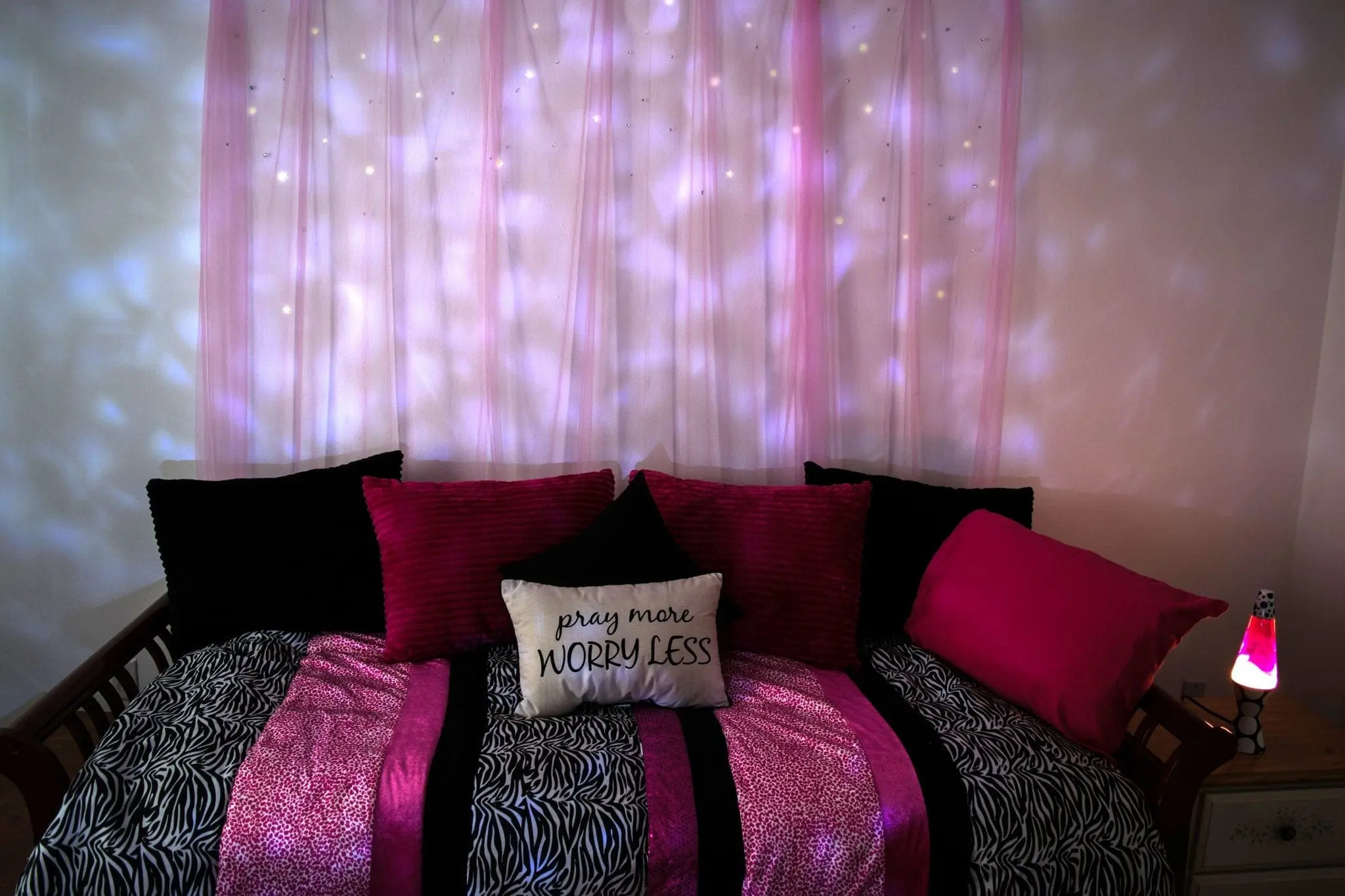
Let’s be honest—the bedroom is more than just a place to crash. It’s a sanctuary, a personal retreat for rest and recovery. But in our always-on world, that sanctuary can feel… invaded. By stress. By blue light. By a mind that just won’t power down.
Here’s the deal: modern smart home wellness technology isn’t about turning your bedroom into a spaceship cockpit. It’s about subtle, intelligent integrations that work in the background to elevate your sleep, your mood, and your morning routine. Think of it as a gentle, automated nudge toward better well-being.
Why Your Bedroom is the Perfect Wellness Lab
Well, it’s where you spend a third of your life. Every element—light, temperature, sound, air—directly impacts sleep quality, which is the absolute bedrock of health. Smart tech simply gives you precise control over these elements, often learning your preferences to create an environment that’s uniquely, perfectly yours.
It addresses modern pain points without you lifting a finger. Too hot at 2 AM? The thermostat adjusts. Waking up groggy? The lights simulate a sunrise. It’s proactive, not reactive.
Core Pillars of a Smart Wellness Bedroom
1. Light: Your Circadian Rhythm Conductor
Light is the most powerful signal for your body’s internal clock. Harsh overhead lights at night? They tell your brain it’s go-time. Smart lighting fixes that.
- Smart Bulbs & Dimmers: Schedule warm, dim lights to come on in the evening, triggering melatonin production. You can even set a “wind down” scene that gradually dims over 30 minutes.
- Sunrise Alarm Clocks: These are game-changers. Instead of a jarring buzzer, you’re awakened by a gradually brightening light that mimics dawn, leading to a more natural, cortisol-friendly wake-up.
- Smart Blinds or Shades: Program them to close at sunset for privacy and light control, and to open slightly in the morning, letting natural light do its job.
2. Climate & Air: The Invisible Comfort Layer
Temperature and air quality are huge—most of us sleep best in a cool, well-ventilated room. The science is pretty clear on that.
A smart thermostat is the MVP here. Set a schedule to lower the temperature as you approach bedtime (ideal is around 65°F or 18°C) and warm it up just before your alarm. Pair it with a smart ceiling fan that you can control via voice or app for air circulation.
And don’t forget the air itself. A smart air purifier with a quiet sleep mode can remove allergens and pollutants, while a smart humidifier can maintain optimal moisture levels, preventing dry skin and scratchy throats. Honestly, it’s a subtle upgrade you feel immediately.
3. Sound: From Noise Cancellation to Soundscapes
Sound management works two ways: blocking unwanted noise and introducing beneficial sounds.
Smart speakers are incredibly versatile. Sure, you can ask for the weather, but you can also create bedtime routines that play calming soundscapes—like ocean waves or steady rain—for a set duration. White noise machines with smart features can mask disruptive street sounds or a partner’s snoring.
The key is automation. A simple voice command like “Hey Google, goodnight” can trigger your soundscape, dim the lights, and lock the doors. That ritual itself becomes a signal to your brain: it’s time to shut off.
4. The Sleep Tech You Actually Wear (or Don’t)
This is where data meets daily life. Smart sleep trackers—whether wearables like rings or watches, or non-wearable under-mattress pads—provide insights into your sleep stages, heart rate, and disturbances.
The real magic happens when this data talks to your other devices. Imagine your smart thermostat receiving data that you’re in a light sleep phase and holding off on a temperature adjustment until you’re in deep sleep. That’s the future of integrated wellness, and it’s starting now.
Building Your System: A Practical, Phased Approach
Feeling overwhelmed? Don’t. You don’t need to do it all at once. Start with one pain point.
| Phase | Focus | Starter Device Ideas |
| 1. Foundation | Light & Routine | Smart bulb, Smart plug for lamp, Sunrise alarm |
| 2. Comfort | Climate & Ambiance | Smart thermostat, Smart fan, Essential oil diffuser |
| 3. Insight | Data & Refinement | Sleep tracker, Smart air quality monitor |
| 4. Integration | Automation & Ecosystem | Smart hub (if needed), Creating multi-device “routines” |
Pro tip: Choose devices that work within the same ecosystem (like Google Home, Apple HomeKit, or Amazon Alexa) from the get-go. It saves a lot of headache trying to make things talk to each other later. Trust me on that.
Beyond Gadgets: The Human Element in a Smart Room
Okay, a quick reality check. Technology is a tool, not a cure-all. The goal is to support human habits, not replace them. A smart bedroom can’t force you to put down your phone, but it can create an environment that makes doing so easier and more appealing.
Be mindful of digital clutter. Too many blinking LEDs or complicated apps can have the opposite of the intended effect. Look for devices with “dark” modes or discreet designs. The best smart wellness tech, you know, fades into the background. It feels less like tech and more like… well, a room that gets you.
In the end, integrating smart wellness technology into your bedroom is a deeply personal journey. It’s about listening to your own body’s needs and using these tools to craft a space that doesn’t just look good, but actively feels good. It’s your corner of the world learning to care for you, just as you care for it. And that’s a connection worth building.